What Is a CGM and How Does It Work? A Plain-English 2026 Guide
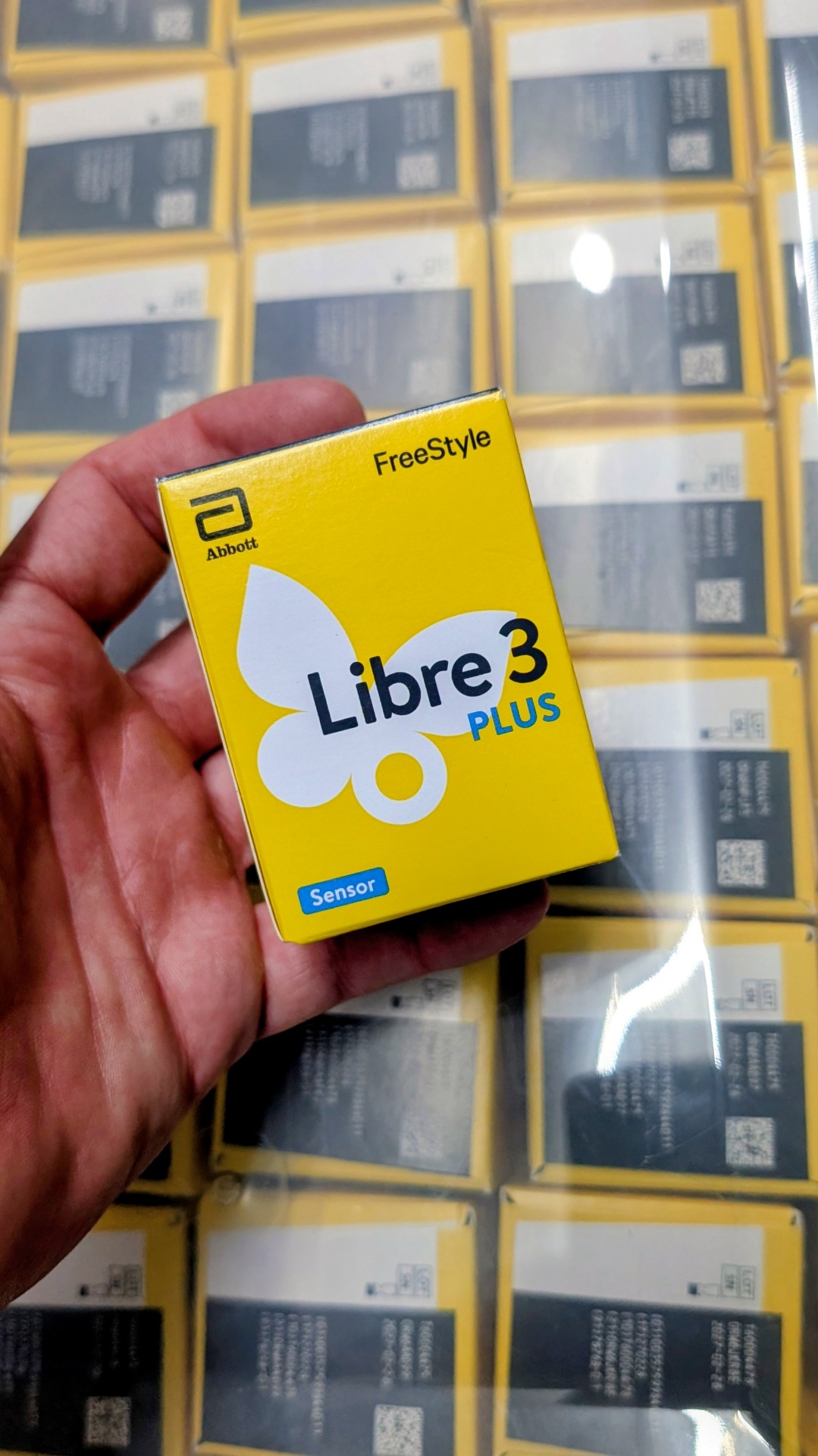
If you have diabetes — or love someone who does — you have almost certainly heard about CGMs. Continuous glucose monitors are one of the most significant inventions in the history of diabetes care, and in 2026 they are the standard of care for anyone on insulin. But how do they actually work? Here is the plain-English guide: what a CGM is, how the technology functions, who benefits, and what it means for your wallet.
What a CGM Is, in One Paragraph
A CGM is a small wearable device — about the size of a few stacked coins — that tracks your glucose around the clock. Instead of pricking your finger several times a day for single snapshots, a CGM gives you a new reading every one to five minutes, day and night, streamed straight to your smartphone, a receiver, or an insulin pump. You see not just your number, but where it is heading, with trend arrows and alerts before things get dangerous.
How It Actually Works
The technology is genuinely clever, and it comes down to three parts.
The sensor. A thin, flexible filament sits just beneath your skin, held by an adhesive patch — usually on your arm or abdomen. Applying it takes seconds with a one-push applicator, and most people say it is nearly painless. The sensor does not measure your blood directly. Instead, it measures glucose in your interstitial fluid — the fluid that surrounds the cells just under your skin. Glucose moves from your blood vessels into that fluid, so the two levels track each other closely.
Here is the part most people never learn: the sensor tip is coated with an enzyme called glucose oxidase — the same enzyme on a test strip. When glucose in your interstitial fluid meets that enzyme, the reaction generates a tiny electrical current, and the strength of that current is proportional to your glucose level. Your CGM is running a miniature version of a test strip's chemistry, continuously, for days at a time. (It is also why sensors expire on the shelf, just like strips — the enzyme degrades over time.)
The transmitter. The reading travels wirelessly from the sensor to wherever you want to see it. On modern systems like the Dexcom G7 and FreeStyle Libre 3, the transmitter is built into the disposable sensor. Older systems like the Dexcom G6 used a separate, reusable transmitter.
The display. Your phone app, a dedicated receiver, or your insulin pump shows the current number, trend arrows, and history. Many systems alert you when glucose runs high or low — some even predict a low before it happens. And CGMs now pair with automated insulin delivery systems like the Omnipod 5, which adjust insulin automatically based on the sensor's readings.
Sensors are typically worn 10 to 15 days depending on the system, then replaced with a fresh one.
One Honest Caveat
CGM readings and fingerstick readings are close, but not identical. Because glucose takes time to move from blood into interstitial fluid, sensor readings can lag slightly behind blood readings — historically up to 15 minutes, though modern algorithms have narrowed that considerably. The practical rule: if your symptoms do not match what your sensor says, confirm with a fingerstick. This is why even dedicated CGM users keep a meter and strips as backup.
Who Should Use One
The 2026 ADA Standards of Care recommend CGM from diagnosis onward for anyone on insulin therapy — children, adolescents, and adults, Type 1 or Type 2. The evidence is strong: CGM use lowers A1c, increases time in range (the hours your glucose stays between 70 and 180 mg/dL), and reduces hypoglycemia episodes. (Not sure what supplies your type of diabetes needs? See our Type 1 vs. Type 2 supplies guide.)
And access keeps widening. People with Type 2 not on insulin, people with prediabetes, and even people simply curious about their metabolism are now using CGMs — including new over-the-counter options that require no prescription at all. (For the full breakdown of both no-prescription paths, see our guide on buying CGM sensors without a prescription.)
What CGMs Cost — and Both Ways the Secondary Market Helps
Now the practical side. CGMs are the most expensive diabetic supply category at retail — sensor costs commonly run $450 or more per month without insurance. That price is why the secondary market matters in both directions.
If you want a CGM but the price is the barrier: buying sealed, verified, unexpired sensors from a reputable reseller like Express Diabetics costs well below pharmacy retail. Same sensor, same accuracy, inspected for seal integrity and expiration before it ships — without the markup that puts continuous monitoring out of reach.
If you have unused sensors: CGM sensors are the highest-paying items in the entire buyback market, precisely because demand is so strong. Treatment switches — G6 to G7, Libre to Dexcom, strips to a CGM — strand sealed sensors constantly. Those sealed, unexpired boxes convert to real cash quickly.
The Bottom Line
A CGM is a tiny chemistry lab you wear: a sensor reading your interstitial fluid every few minutes, powered by the same enzyme as a test strip, streaming your glucose to your phone with alerts that can genuinely protect you. It is the standard of care for a reason — and whether you need one affordably or have extras to sell, the secondary market makes the economics work.
Want a CGM without the retail markup? Shop verified sensors at expressdiabetics.com.
Have unused CGM sensors? Get a free quote at expressdiabetics.com/sell.
Sources: CDC CGM overview | 2026 ADA Standards of Care (CGM recommended at onset for insulin therapy) | Northwestern Medicine and ADCES CGM mechanism guides (interstitial fluid, glucose oxidase, lag time) | diaTribe 2026 CGM systems guide | Reviewed and updated July 12, 2026
Frequently asked
- What is a CGM?
- A CGM, or continuous glucose monitor, is a small wearable device that tracks your glucose levels around the clock. A tiny sensor filament sits just under your skin and sends a new reading to your phone or receiver every one to five minutes, replacing most routine fingersticks.
- How does a CGM actually work?
- The sensor measures glucose in interstitial fluid — the fluid surrounding the cells just beneath your skin. Its tip is coated with the enzyme glucose oxidase, which reacts with glucose to create a tiny electrical signal proportional to your glucose level. A transmitter sends that reading wirelessly to an app, receiver, or insulin pump.
- Is a CGM reading the same as a fingerstick reading?
- Almost, but not exactly. Interstitial fluid glucose lags slightly behind blood glucose — historically up to 15 minutes, though modern algorithms have reduced that. Fingersticks are still recommended when symptoms don't match your sensor reading.
- Who should use a CGM?
- The 2026 ADA Standards of Care recommend CGMs from diagnosis onward for anyone on insulin therapy, including children and adults with Type 1 or Type 2 diabetes. CGM use is proven to lower A1c, improve time in range, and reduce hypoglycemia episodes.
How Was This Written?
- Written By
- Jacob W. Metheney
- Editorial Standard
- Content is verified against real-time U.S. market pricing, strict manufacturing brand criteria, and transparent certified compliance guidelines.
- Date Last Reviewed
- June 2026