Type 1 vs. Type 2 Diabetes: What Supplies Each Actually Needs
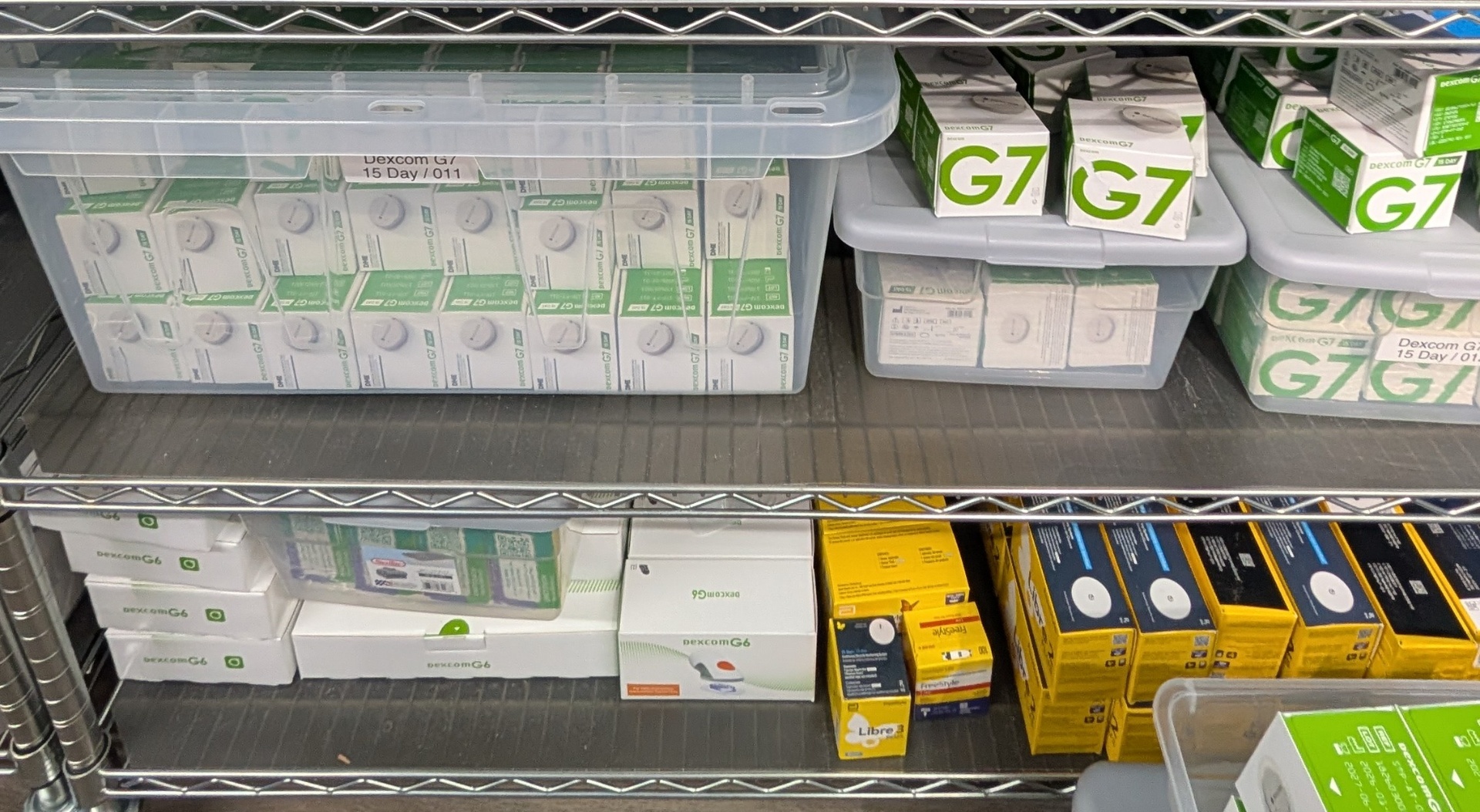
More than 40 million Americans live with diabetes, but "diabetes" is not one condition with one supply list. Type 1 and Type 2 are managed differently, and the supplies each person needs depend heavily on their type and their therapy. Understanding those differences helps you know what to expect, what things cost — and why so many households end up with unused supplies when treatment changes. Here is the clear 2026 breakdown.
The Core Difference, in Plain Language
Type 1 diabetes is an autoimmune condition where the body stops producing insulin. Everyone with Type 1 must take insulin every day, delivered by injections or a pump, and must monitor glucose intensively because dosing decisions happen constantly.
Type 2 diabetes — roughly 90 to 95 percent of all cases — is a condition of insulin resistance. Management ranges from diet and oral medication alone, to non-insulin injectables, to full insulin therapy. The supply list scales up with the intensity of treatment.
That single fact — supplies follow therapy, not just diagnosis — explains almost everything about who needs what.
What Type 1 Diabetes Typically Requires
Type 1 management is supply-intensive by nature. The typical 2026 toolkit:
A CGM with real-time alerts. Continuous glucose monitors are now standard of care for Type 1. (New to CGMs? See our plain-English guide on what a CGM is and how it works.) Systems like the Dexcom G7 and FreeStyle Libre 3 provide readings around the clock with alerts for dangerous lows — critical for anyone dosing insulin multiple times a day.
Insulin delivery — pump or pens. Many Type 1 patients use insulin pumps, and most modern pumps are hybrid closed-loop systems that automatically adjust insulin based on CGM data. Pump users need a steady flow of consumables: Omnipod pods, infusion sets, reservoirs, or cartridges depending on the system. Those using injections instead need pens or syringes.
Test strips and a meter as backup. Even dedicated CGM users keep strips on hand to confirm readings or cover sensor gaps.
Lancets and ketone supplies. Finger-stick lancets plus ketone test strips for sick days round out the kit.
The takeaway: a person with Type 1 runs through CGM sensors, pump supplies, and backup strips continuously, month after month.
What Type 2 Diabetes Typically Requires
Type 2 supplies vary enormously by therapy — and the research shows exactly how much. Studies of test strip usage found that Type 2 patients on intensive insulin regimens use about four times more test strips per day than those managing without insulin.
Type 2 without insulin: typically a glucose meter, test strips, and lancets. Testing may be once daily or less, so supply consumption is modest.
Type 2 with insulin: testing frequency jumps significantly, and CGMs become common — insurance increasingly covers CGMs for insulin-treated Type 2. Supply needs start to resemble Type 1: sensors, more strips, more lancets.
A notable 2026 development: over-the-counter CGMs like Stelo and Lingo now let any Type 2 patient wear a sensor without a prescription. Insurance rarely covers these OTC versions, but they have opened continuous monitoring to millions of Type 2 patients who previously could not access it.
Why Treatment Changes Create Unused Supplies
Here is where the two sides of our business meet this topic. Diabetes therapy evolves constantly — and every change strands supplies.
A Type 2 patient moves from finger-sticks to a CGM and leaves boxes of test strips behind. A Type 1 patient switches from Dexcom G6 to G7, or from tubed pump to Omnipod, and the old system's sealed supplies sit in a drawer. Insurance auto-ships on a schedule regardless, so surpluses build even without a switch.
Those sealed, unexpired supplies have real value. If they were purchased out of pocket or through private insurance — not Medicare or Medicaid — they can be legally sold, turning a stranded drawer of the old routine into cash. That is exactly what Express Diabetics buys every day.
And Why Affordability Matters for Both Types
On the other side, both Type 1 and Type 2 patients face the same cost wall when coverage falls short. CGM sensors run $450 or more per month at retail. Premium test strips exceed $100 a box. For the uninsured and underinsured — of either type — buying sealed, verified, brand-name supplies below retail is often what makes consistent monitoring possible. Every item Express Diabetics sells is inspected for seal integrity and expiration first, so the product matches the pharmacy's in everything but price.
The Bottom Line
Type 1 means insulin plus intensive monitoring — CGMs, pump supplies, backup strips, always. Type 2 scales with therapy — from a simple meter and strips to a full CGM-and-insulin toolkit. Treatment changes on either path leave sealed supplies behind, and cost pressures on either path make affordable verified supplies matter.
Have supplies your old routine no longer needs? Get a free quote at expressdiabetics.com/sell.
Need affordable supplies for the routine you're on now? Shop verified inventory at expressdiabetics.com.
Sources: CDC National Diabetes Statistics Report, January 2026 (40M+ Americans; 90-95% Type 2) | 2026 CGM coverage and OTC CGM (Stelo, Lingo) guidance | Peer-reviewed test strip utilization research (insulin vs non-insulin regimens) | 2026 hybrid closed-loop pump standards | Reviewed and updated July 12, 2026
Frequently asked
- What supplies does Type 1 diabetes require?
- Type 1 diabetes requires insulin delivery (pump or injections) plus continuous monitoring. Typical supplies include CGM sensors with real-time alerts, insulin pump supplies like Omnipod pods or infusion sets, test strips as backup, lancets, and ketone testing supplies.
- What supplies does Type 2 diabetes require?
- Type 2 supplies depend on therapy. Non-insulin Type 2 typically uses a meter, test strips, and lancets. Insulin-treated Type 2 often adds a CGM and tests far more frequently. Some Type 2 patients on intensive insulin also use pumps.
- Do Type 2 diabetics use CGMs?
- Increasingly, yes. Insulin-treated Type 2 patients commonly qualify for CGM coverage, and over-the-counter CGMs like Stelo and Lingo now let any Type 2 patient use one without a prescription, though insurance rarely covers OTC versions.
- Why do people with diabetes end up with unused supplies?
- Therapy changes are the biggest reason. Moving from finger-stick testing to a CGM, switching insulin regimens, or changing pump systems leaves behind sealed supplies for the old routine — which can be sold if they were purchased without government program funding.
How Was This Written?
- Written By
- Jacob W. Metheney
- Editorial Standard
- Content is verified against real-time U.S. market pricing, strict manufacturing brand criteria, and transparent certified compliance guidelines.
- Date Last Reviewed
- June 2026