Do Diabetic Test Strips and CGM Sensors Expire? What to Know in 2026
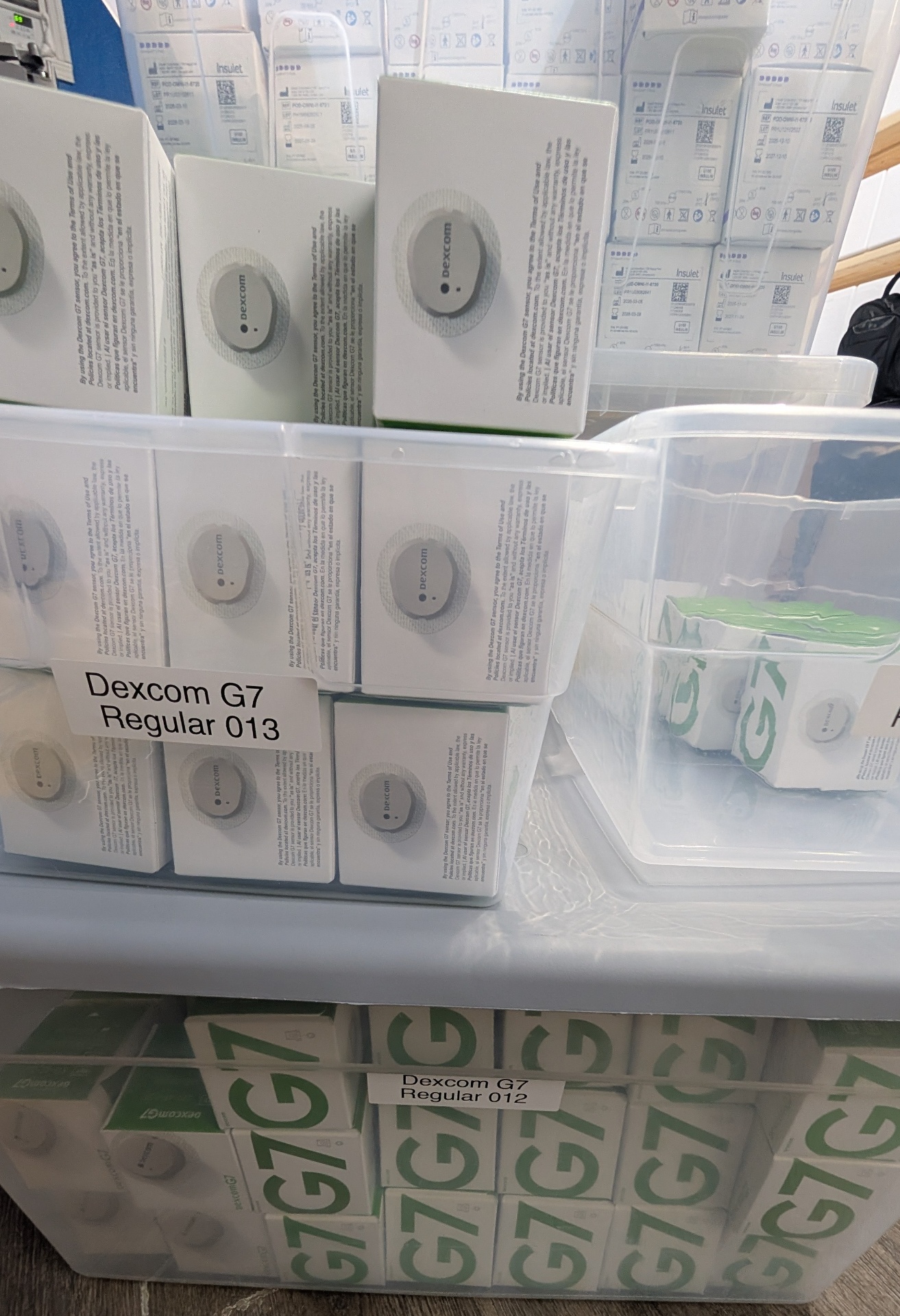
It is one of the most common questions in diabetes care, and the answer matters more than most people realize: yes, diabetic test strips and CGM sensors absolutely expire. Using them past their date is not a minor technicality — it is a genuine safety issue. And whether you are buying supplies or selling them, understanding expiration is the key to doing it right. Here is the 2026 science, in plain language.
Yes, Test Strips Expire — Here Is Why
Blood glucose test strips are not just little pieces of plastic. They are FDA-regulated Class II medical devices, and every box carries a printed expiration date for a real reason.
Each strip is coated with an enzyme — typically glucose oxidase — that reacts with the glucose in your blood to produce a reading. Like any biological compound, that enzyme degrades over time. Heat, humidity, and simple aging all break it down. Once it has degraded past a certain point, the chemical reaction no longer works the way it should, and your reading becomes unreliable.
The FDA validates the shelf life of every test strip before approval, and both the FDA and the American Diabetes Association strongly advise against using expired strips.
The Real Danger: Unpredictable Readings
Here is what makes expired strips genuinely dangerous, not just inaccurate. Expired test strips can read falsely high or falsely low — and there is no way to predict which.
When the enzyme degrades, the weakened reaction can cause the meter to display a falsely high number. But moisture contamination can trigger an excess reaction and produce a falsely low number. A single batch of expired strips might do either.
Think about what that means in practice. A falsely high reading might prompt someone to take more insulin than they need — risking dangerous low blood sugar. A falsely low reading might hide a real high, leaving it untreated. Because you cannot know which way an expired strip will fail, you simply cannot trust it. That unpredictability is exactly why this matters.
CGM Sensors Expire Two Different Ways
CGM sensors are a little more complex, because they have two kinds of expiration — and people often confuse them.
Wear expiration is how long a sensor works once you have applied it to your body. This varies by brand: Dexcom G6 and G7 sensors last 10 days, FreeStyle Libre 2 lasts 14 days, and the newer 15-day versions like the Dexcom G7 15-Day and FreeStyle Libre 2 Plus last 15 days. Once a sensor reaches its wear limit, it stops and cannot be restarted.
Shelf-life expiration is the printed date on an unopened sensor in its box. Just like test strips, the sensor's glucose-sensing enzyme degrades during storage. Past the shelf-life date, the manufacturer can no longer guarantee the enzyme is within its accurate range, and the sensor should not be used.
When you are buying or selling unopened sensors, shelf-life expiration is the one that matters.
What About Glucose Meters?
Glucose meters are different — they do not really "expire" the way strips and sensors do. Most meters last around 10 years. But their accuracy can drift over time as parts wear, and an old meter paired with fresh strips can still give unreliable readings. If you get frequent errors or readings that do not match how you feel, it may be time to replace the meter itself.
Why This Matters If You Are Selling
Expiration is the single biggest factor in what your supplies are worth. Reputable buyers pay the best prices for supplies with ten or more months of shelf life remaining, and most will not accept supplies within a few months of expiration at all.
The lesson is simple and worth repeating: the moment you know you have extras, sell them. A box does not just sit there holding its value — it quietly loses worth every month as the expiration date approaches. Selling early means selling for more.
Why This Matters If You Are Buying
If you are buying supplies, expiration is about safety and value. You should only ever buy verified, unexpired supplies with plenty of shelf life remaining. This is exactly where buying from a reputable reseller protects you.
At Express Diabetics, every single item is inspected for its expiration date before it is ever offered for sale. We do not sell anything expired, near-expired, or improperly stored. You get sealed, brand-name supplies with real shelf life ahead of them — the same product you would get at a pharmacy, verified and at a better price. That verification is the difference between a safe purchase and the risk you take buying from an unvetted source.
The Bottom Line
Test strips and CGM sensors expire, and expired supplies can give dangerously unpredictable readings. If you are selling, sell early — your payout depends on it. If you are buying, buy verified and unexpired — your health depends on it. Either way, expiration is the number that matters most. (Not sure which supplies your type of diabetes actually uses? See our Type 1 vs. Type 2 supplies guide.)
Need fresh, verified supplies? Shop inspected inventory at expressdiabetics.com.
Have sealed supplies to sell? Sell before they lose value — get a free quote at expressdiabetics.com/sell.
Sources: FDA test strip Class II device guidance | American Diabetes Association storage and expiration recommendations | SIBIONICS and Aeroflow Diabetes 2026 CGM shelf-life and wear data | Sinocare 2026 expiration accuracy analysis | Reviewed and updated June 18, 2026
Frequently asked
- Do diabetic test strips expire?
- Yes. Test strips are FDA-regulated Class II medical devices with a printed expiration date. The enzyme that reacts with glucose degrades over time, so expired strips can give inaccurate readings and should not be used.
- Do CGM sensors expire?
- Yes, in two ways. Wear expiration is how long a sensor lasts once applied (10 to 15 days depending on brand). Shelf-life expiration is the printed date on an unopened sensor, after which the glucose-sensing enzyme may fall outside its guaranteed range.
- What happens if you use expired test strips?
- Expired strips can read falsely high or falsely low, and there is no way to predict which. A false reading can lead to an incorrect insulin dose, which is why the FDA and American Diabetes Association advise against using expired strips.
- Why does expiration matter when buying or selling diabetic supplies?
- Sellers get the best payout on supplies with ten or more months of shelf life, so selling early matters. Buyers should only purchase verified, unexpired supplies — which is exactly what a reputable reseller inspects and guarantees before selling.
How Was This Written?
- Written By
- Jacob W. Metheney
- Editorial Standard
- Content is verified against real-time U.S. market pricing, strict manufacturing brand criteria, and transparent certified compliance guidelines.
- Date Last Reviewed
- June 2026