Time in Range: The Diabetes Number That Matters as Much as Your A1C
For decades, diabetes management revolved around one number: your A1C. That era is over. The 2026 ADA Standards of Care firmly establish a second number as a primary target — time in range — and for the millions of people wearing a CGM, it may be the more useful number of the two. Here is what time in range means, what the targets are, and how to track yours without breaking the bank.
What Time in Range Actually Is
Time in range (TIR) is beautifully simple: it is the percentage of the day your glucose stays inside the target zone of 70 to 180 mg/dL. Your CGM measures your glucose every few minutes around the clock, and your app does the math — this much of your day in range, this much above, this much below.
A handy way to feel the number: each 1% of time in range equals about 15 minutes of your day. So a 70% time in range means roughly 17 of your 24 hours spent in the zone.
The 2026 Targets, in Plain Numbers
The ADA's 2026 Standards lay out clear goals for most nonpregnant adults:
In range (70–180): more than 70% of the day — about 17 hours. Hitting 70% TIR corresponds to an A1C of roughly 7%, the classic target.
Below range (under 70): less than 4% of the day — under an hour. And time in serious lows (under 54) should stay under 1%, about 15 minutes.
Above range (over 180): less than 25% of the day. Time above 250 should stay under 5%.
For older adults with complex health, the targets soften sensibly: 50% in range — about 12 hours — with even stricter limits on lows, because avoiding hypoglycemia matters most.
Your own targets should always come from your care team; these are the starting framework, not a report card.
Why TIR Beats A1C at Telling the Daily Truth
Here is the insight that made time in range a primary target. Your A1C is a three-month average — and averages hide things. Someone bouncing violently between 60 and 260 all day can post the same A1C as someone cruising steadily at 140. Same average, completely different health picture, completely different daily experience.
Time in range exposes what the average conceals. It shows not just where you ended up but how you got there — the 3 a.m. lows, the post-breakfast spikes, the afternoon stability. Whether you are managing diabetes in Miami, Orlando, or a small Gulf Coast town, your doctor can look at a two-week CGM report and see the actual shape of your days, then adjust treatment to fix the specific hours that need fixing. That is something no quarterly blood draw can do.
The research backs it up: the 2026 Standards recommend a 10-to-14-day CGM assessment as a core tool of clinical management, and improving time in range is linked to fewer complications — the same benefits long attributed to A1C control, now measurable day by day.
The Catch: Time in Range Requires a CGM
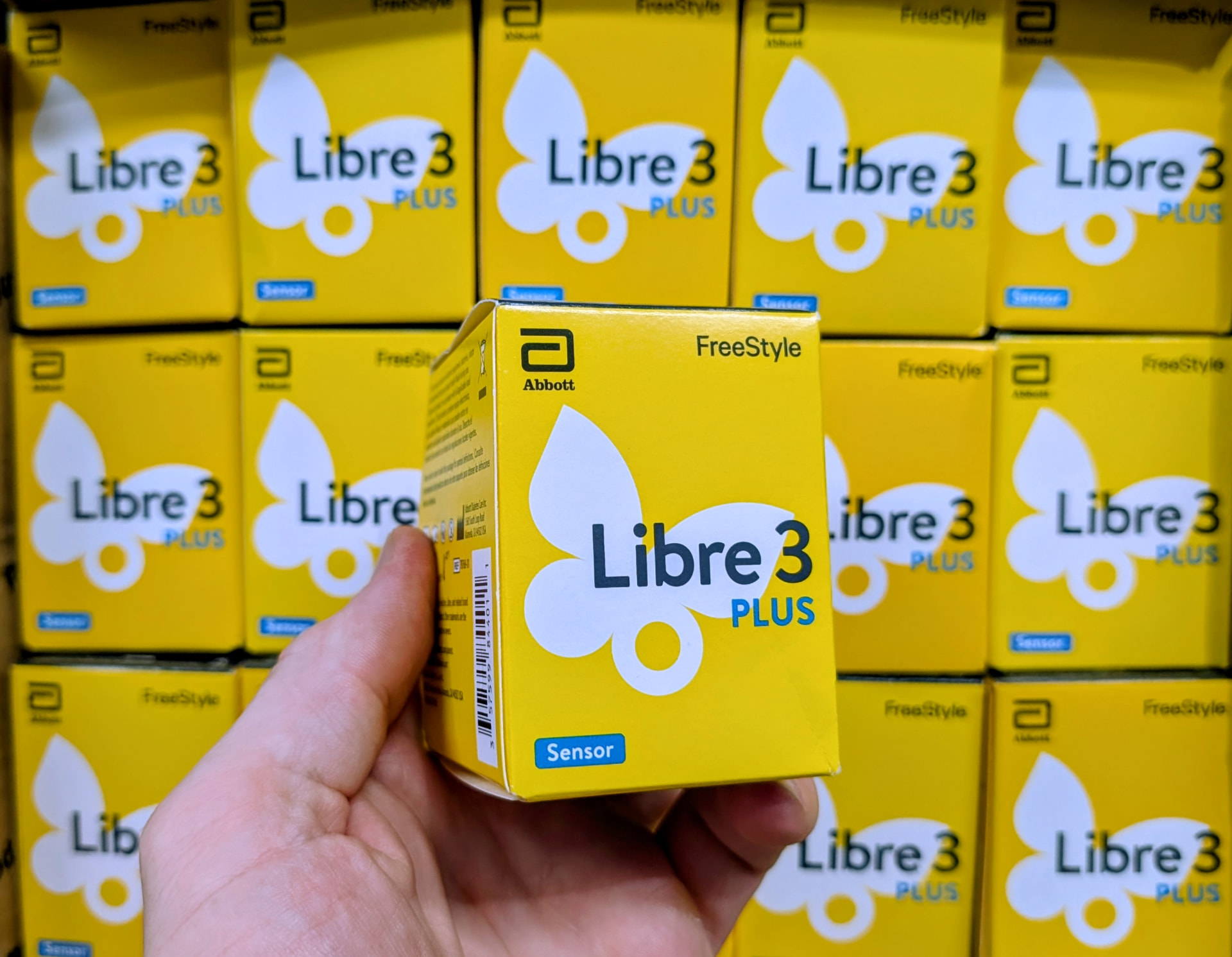
Here is the practical reality. You cannot compute time in range from fingersticks — four snapshots a day cannot tell you what happened during the other 23-plus hours. TIR is a CGM metric, full stop. Sensors like the Dexcom G7 and FreeStyle Libre generate the continuous data that makes the whole framework work.
And that is where cost collides with care. The 2026 Standards broadened CGM recommendations to more people than ever — yet at retail, sensors run $450 or more per month without insurance. From Jacksonville to Tampa Bay to Fort Lauderdale, we hear the same story in our daily operations: people who know exactly what time in range is and simply cannot afford the device that measures it.
That gap is precisely what Express Diabetics exists to close. Sealed, verified, unexpired Dexcom and FreeStyle Libre sensors, inspected for seal integrity and expiration, at well below pharmacy retail — the same sensors, the same data, the same time in range, without the markup. For an uninsured Floridian or anyone in a coverage gap nationwide, that difference is what turns TIR from a concept in their doctor's office into a number on their phone.
And If You Have Extra Sensors
The other side of the same coin: if you switched systems — G6 to G7, Libre to Dexcom — or accumulated more sensors than you will use, those sealed boxes are exactly what someone else needs to start tracking their time in range. CGM sensors remain the highest-paying items in the buyback market, and selling yours while they carry ten or more months of shelf life puts real cash in your pocket while putting monitoring within someone else's reach.
The Bottom Line
Time in range is the number that shows your days, not just your average: 70% in range, under 4% low, under 25% high, and each percentage point worth 15 minutes of your day. It requires a CGM — and a CGM should not require wealth. Track your hours, know your shape, and let the secondary market make the math work.
Ready to track your time in range affordably? Shop verified CGM sensors at expressdiabetics.com.
Have extra sensors someone else could be using? Get a free quote at expressdiabetics.com/sell.
Sources: ADA Standards of Care in Diabetes 2026, Sections 6 & 7 (TIR >70% goal, TBR <4%, TAR <25%, older-adult 50% target, 10-14 day CGM assessment) | International Consensus on Time-in-Range | ADA Time in Range patient guidance (1% ≈ 15 minutes) | Reviewed and updated July 25, 2026
Frequently asked
- What is time in range?
- Time in range (TIR) is the percentage of the day your glucose stays within the target range of 70 to 180 mg/dL, measured by a CGM. The 2026 ADA Standards of Care establish TIR as a primary glycemic target alongside A1C.
- What is a good time in range goal?
- For most nonpregnant adults, the goal is spending more than 70% of the day in range — roughly 17 out of 24 hours. Hitting 70% TIR corresponds to an A1C of about 7%. Older adults with complex health conditions have a softer goal of 50%.
- How is time in range different from A1C?
- A1C is a three-month average that can hide dangerous swings — you can have a 'good' A1C while bouncing between highs and lows. Time in range shows the daily reality: how many hours you actually spent in the safe zone, plus exactly when you ran high or low.
- Do I need a CGM to track time in range?
- Yes. Time in range is calculated from continuous glucose data, so a CGM like the Dexcom G7 or FreeStyle Libre is required. Fingerstick meters provide snapshots, not the continuous data TIR needs — which is why affordable CGM access matters so much.
How Was This Written?
- Written By
- Jacob W. Metheney
- Editorial Standard
- Content is verified against real-time U.S. market pricing, strict manufacturing brand criteria, and transparent certified compliance guidelines.
- Date Last Reviewed
- June 2026