Dexcom G6 Discontinued: What Users and Sellers Must Do Now
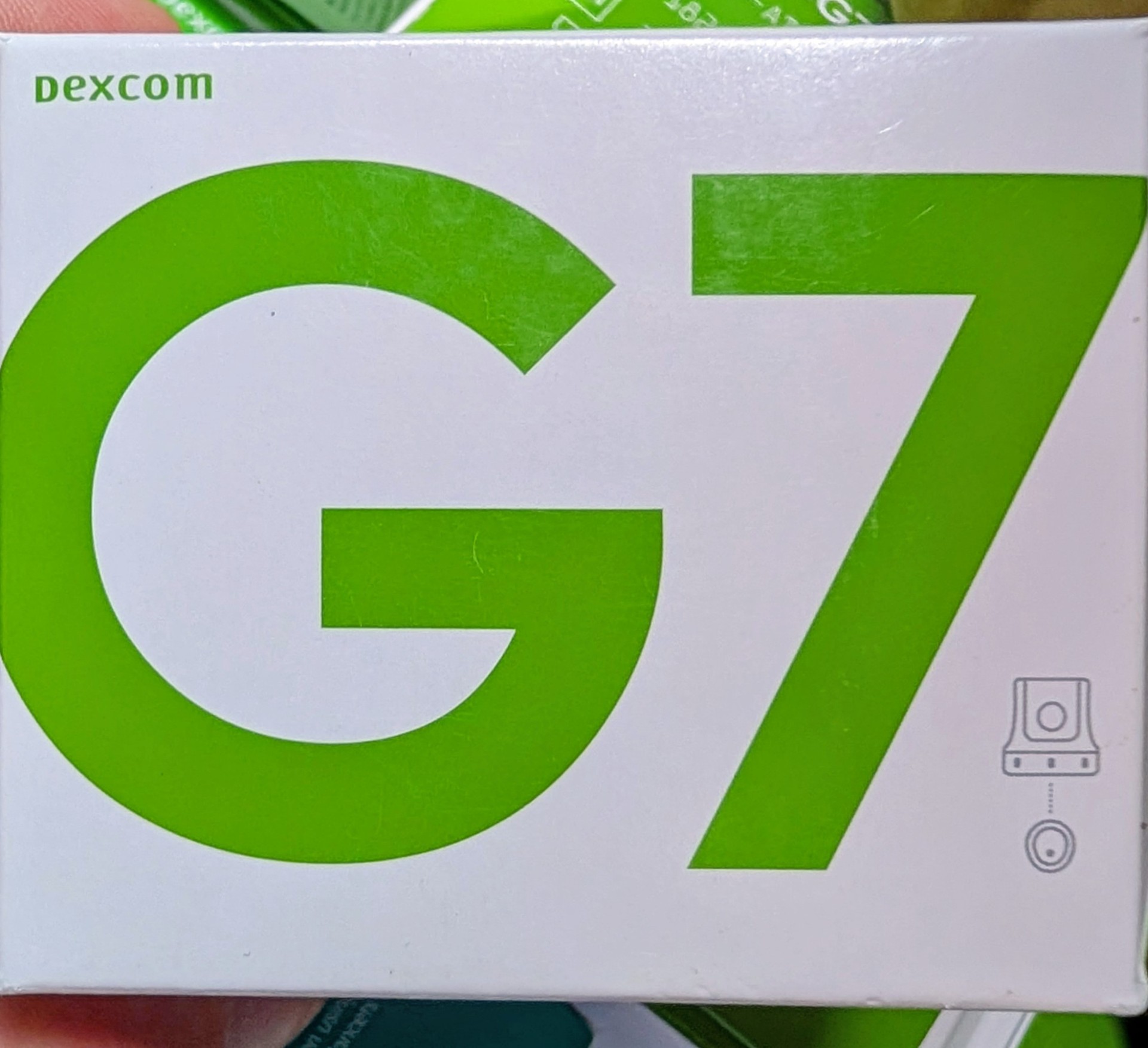
It is official: Dexcom stops manufacturing the G6 on July 1, 2026. After years as one of the most widely used continuous glucose monitors in the world, the G6 is entering its final phase. If you use the G6 — or have unused G6 supplies sitting in a drawer — what you do in the next few weeks matters. Here is the complete picture and exactly what to do, whichever side you are on.
What Is Happening, Exactly
Dexcom will no longer manufacture the G6 CGM system after July 1, 2026. Remaining stock will continue moving through pharmacies and medical distributors for a limited time, but Dexcom itself cannot guarantee availability beyond that date. The company has notified all current G6 users by email and is encouraging everyone to work with their doctor to upgrade to the G7 or the newer G7 15 Day.
One important reassurance: your existing G6 equipment keeps working. Sensors, transmitters, and the G6 app all continue to function normally after production ends, and Dexcom will support unexpired G6 products within their warranty period. The issue is not that the G6 shuts off — it is that new supply dries up.
Why Some Users Are Not Ready to Let Go
The community reaction to this discontinuation has been more divided than past phase-outs, and for understandable reasons. Many longtime users report the G6 gives them consistent, predictable performance they trust. And the G6 has one feature the G7 does not: sensors could be restarted off-label to extend wear, a money-saving practice many relied on. The G7 does not support restarts.
There are also groups who still need the G6 for practical reasons: users of certain automated insulin delivery systems whose G7 integration is still rolling out, and Medicaid patients in states where G7 coverage is not yet available. For all of these people, remaining G6 supply genuinely matters.
If You Use the G6: Your Action Plan
Start your G7 transition now. Ask your doctor for a G7 or G7 15 Day prescription at your next appointment — or sooner. Most insurance that covered the G6 covers the G7 at parity. The G7 is 60 percent smaller, warms up in 30 minutes, and clinical studies show improved accuracy. For adults 18 and over, the G7 15 Day cuts sensor changes nearly in half. (For the full G7 pricing and buying breakdown, see our Dexcom G7 guide.)
Build a bridge supply. If you are not ready to switch immediately — or your pump integration or state coverage is not ready for you — secure sealed G6 sensors while they can still be found. Pharmacy stock is winding down, and after July 1 it becomes a matter of what remains in the channel. Verified resellers like Express Diabetics carry sealed, unexpired G6 sensors and transmitters while supplies last — inspected for seal integrity and expiration, at below-retail prices.
Do not panic. Your current equipment works, support continues through warranty periods, and the transition path to the G7 is well-paved. This is about planning, not emergency.
If You Have Unused G6 Supplies: This Is the Moment
Now the other side — and the timing could not be clearer. If you have already moved to the G7 or another system and have sealed G6 sensors or transmitters sitting unused, demand for them is at its peak right now.
Here is why. The remaining G6 user base — the restart loyalists, the AID users waiting on integration, the Medicaid patients waiting on state coverage — all need sealed G6 supply from a shrinking pool. Once production stops, a verified secondary market becomes one of the few remaining sources. That elevated demand is what makes your unused G6 supplies worth more today than they will be once the transition completes and the G6 user base winds down.
Remember the G6 detail that sets it apart from the G7: the G6 system sells as separate sensors and transmitters, and both have value. Check your drawer for both. As always: factory sealed, unexpired, ten or more months of shelf life for the best offer, no government program labels. (Why shelf life moves your payout so much: see our expiration guide.)
The window is real. Sell while the demand is elevated — waiting through the transition means selling into a market that needs the G6 less each month.
The Bottom Line
The Dexcom G6 era ends July 1, 2026. If you use it: start your G7 transition and bridge your supply. If you have extras: this is the peak moment to sell them. Either way, do not let the deadline pass you by.
Have unused G6 sensors or transmitters? Get a free quote today at expressdiabetics.com/sell.
Need G6 supply to bridge your transition — or ready to buy G7? Shop verified inventory at expressdiabetics.com.
Sources: Dexcom G6 discontinuation announcement and transition guidance (production ends July 1, 2026) | Beyond Type 1 and Diabetes UK transition coverage | Dexcom G7/G7 15 Day specifications and coverage-parity statements | Community response reporting (restart capability, AID and Medicaid transition timelines) | Reviewed and updated July 12, 2026
Frequently asked
- Is the Dexcom G6 discontinued?
- Yes. Dexcom stops manufacturing the G6 on July 1, 2026. Remaining stock may be available through pharmacies and distributors for a limited time afterward, but Dexcom cannot guarantee availability beyond that date.
- Will my Dexcom G6 still work after July 2026?
- Yes. Existing G6 sensors, transmitters, and the G6 app continue to work normally after production ends, and Dexcom will support unexpired G6 products within their warranty period. But once your supply runs out, new stock will be increasingly hard to find.
- Should I sell my unused Dexcom G6 sensors now?
- If you have switched to the G7 or another system, yes — now is the peak moment. Demand for sealed G6 sensors and transmitters is elevated as remaining users try to secure supply, and that demand window narrows as the user base completes its transition to the G7.
- Where can I still get Dexcom G6 sensors?
- Retail availability shrinks after July 1, 2026. Remaining sources include lingering pharmacy stock, DME distributors, and verified resellers like Express Diabetics that carry sealed, unexpired G6 sensors and transmitters while supplies last.
How Was This Written?
- Written By
- Jacob W. Metheney
- Editorial Standard
- Content is verified against real-time U.S. market pricing, strict manufacturing brand criteria, and transparent certified compliance guidelines.
- Date Last Reviewed
- June 2026