Hurricane Season With Diabetes: The Florida Supply Preparedness Guide
Every Floridian knows the drill: June arrives, the tracking maps come out, and we all keep one eye on the tropics until December. But if you or someone you love manages diabetes, hurricane season demands more than plywood and bottled water. Power outages, flooded roads, and closed pharmacies are inconveniences for most people — for someone who depends on insulin, a CGM, or daily testing, they are genuine medical risks. Here is your complete 2026 Florida preparedness guide, built for the season we are in right now.
This Season, and Why "Quiet" Doesn't Mean Safe
NOAA's 2026 forecast calls for a below-normal Atlantic season — 8 to 14 named storms between June and November, with the peak running August through October. Before anyone relaxes, remember the warning forecasters repeat every year: it only takes one. Recent Gulf storms have knocked out power for days and closed pharmacies exactly when patients needed them most — and clinical pharmacy teams documented patients losing medication access to outages, closures, and impassable roads.
The lesson of every storm is the same: the people who prepared before the cone appeared did fine. The preparation window is now, while the tropics are quiet.
Your Diabetes Hurricane Kit
Build this once, keep it in a waterproof, airtight container, and make sure everyone in your household knows where it lives. Following CDC emergency guidance, your kit should hold:
One to two weeks of everything. Insulin and all medications, test strips, lancets, CGM sensors, pump supplies including insertion devices, alcohol wipes, ketone strips, and a glucagon kit if you use insulin. Two weeks sounds like a lot until the roads are closed for one.
Backup testing capability. An extra meter with fresh batteries. If your CGM fails mid-outage — dead phone, dead receiver, sensor down — finger-sticks become your lifeline. This is exactly why we tell CGM users never to discard their meter.
Power for your technology. Fully charged power banks for phones, receivers, and pumps. Your CGM data means nothing if everything reading it is dead.
Your information on paper. Copies of prescriptions, a written list of medications and dosages — and for pump users, your basal rates, insulin-to-carb ratio, sensitivity factor, and correction targets. If you end up at a shelter or an unfamiliar ER with a dead phone, paper answers the questions.
Fast-acting glucose. Tablets or juice boxes. Storm stress, disrupted meals, and physical cleanup all swing blood sugar — check more often than normal during and after a storm, and be ready to treat lows.
A hard plastic bottle with a cap for used lancets and needles, because sharps disposal does not pause for weather.
The Insulin Cold Problem, Solved Three Ways
The moment the power dies, the refrigerator clock starts. Here is the layered approach:
The cooler rule: ice packs, yes — but insulin never touches the ice directly. Freezing destroys insulin as surely as heat does. Wrap it, buffer it, keep it cool, not frozen.
The no-ice option: evaporative cooling cases (FRIO-style packs) keep insulin at safe temperatures using only water activation — no ice, no power, made for exactly this situation. Worth having in the kit before the season peaks.
The split strategy: do not keep every vial and pen in one refrigerator. Stash part of your insulin supply at a relative's or friend's house across town. If your home loses power for days — or you cannot get back to it — you have not lost everything at once.
And after any outage: if insulin looks cloudy, discolored, or shows crystals, do not use it — call your pharmacy. Though remember from our summer heat guide, damaged insulin often looks completely normal, so when in doubt about exposure, replace it.
The Florida Early-Refill Rule Most People Don't Know
Here is the most valuable Florida-specific fact in this guide: when a state of emergency is declared, Florida insurers allow early refills on non-controlled maintenance medications — typically up to a 30-day supply. That declaration is your signal to act. Do not wait until the storm is in the Gulf, because the entire city heads to the pharmacy at the same time, and shelves genuinely run short. Declaration day is refill day.
Where Affordable Backup Supplies Fit In
Everything above assumes one thing: that you can afford to hold one to two weeks of extra supplies. For the uninsured and underinsured, that is the hardest part of preparedness — a backup box of strips or spare sensors at retail prices is a luxury many Floridians skip, which leaves them most exposed when a storm hits.
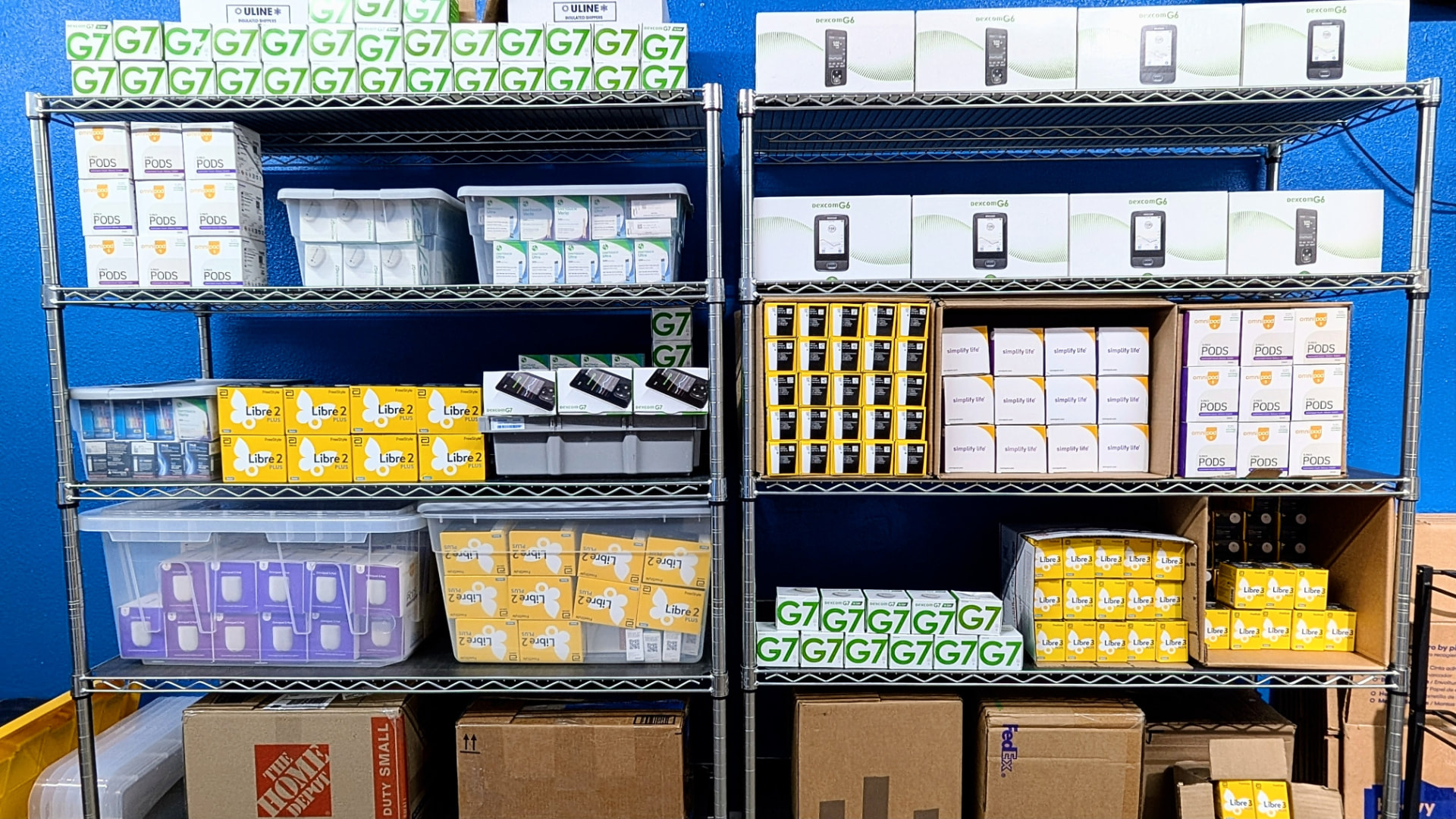
That is where verified below-retail supplies genuinely change the math. A backup supply of sealed, verified test strips, sensors, or pump supplies from Express Diabetics costs a fraction of pharmacy retail — turning "I can't afford a two-week buffer" into "my kit is stocked." Preparedness should not be a privilege, and this is one place the secondary market directly serves safety.
And if you are on the other side — holding more supplies than any kit needs — hurricane season is a smart moment to right-size. Keep your two-week buffer fresh and sell the surplus beyond it while it carries strong shelf life. A drawer of extras does not make you more prepared; a rotated, fresh kit does, and the surplus becomes someone else's affordable buffer.
The Bottom Line
Hurricane season is June through November, the peak is August through October, and the forecast this year is quieter — but it only takes one. Build the waterproof kit now: two weeks of everything, paper records, charged power banks, layered insulin cooling, and the early-refill rule in your back pocket for declaration day. Prepared beats lucky, every season.
Stocking your kit affordably? Shop verified supplies at expressdiabetics.com.
Right-sizing your surplus? Get a free quote at expressdiabetics.com/sell.
Sources: CDC Diabetes Care During Emergencies (kit contents, waterproof storage, pump settings documentation) | NOAA 2026 Atlantic hurricane outlook (8-14 named storms; below normal) | Florida Blue hurricane checklist (early-refill rule during declared emergencies, June 2026) | Diabetes Disaster Response Coalition preparedness plan | Clinical pharmacy reporting on outage-related medication loss | Reviewed and updated August 6, 2026
Frequently asked
- What should a diabetes hurricane kit include?
- The CDC recommends a waterproof kit with one to two weeks of all medications and supplies: insulin with cooling, test strips, lancets, extra meter batteries, pump supplies and insertion devices, CGM sensors, ketone strips, glucagon, fast-acting glucose, copies of prescriptions, and a written record of your dosages and pump settings.
- How do I keep insulin cold during a power outage?
- Use a cooler with ice packs, but never let insulin touch the ice directly — freezing ruins it like heat does. Evaporative cooling cases like FRIO packs need no ice at all. Splitting your insulin between two locations, such as your home and a relative's refrigerator, protects against losing it all at once.
- Can I refill my prescriptions early before a hurricane in Florida?
- Yes. When a state of emergency is declared in Florida, insurers allow early refills on non-controlled maintenance medications — typically up to a 30-day supply. The key is acting when the declaration comes, before pharmacy rushes and closures.
- When is hurricane season and when should I prepare?
- Atlantic hurricane season runs June 1 through November 30, with the most active period from August through October. Prepare your kit now, before any storm is named — pharmacies get rushed and run short once a storm enters the Gulf, and forecasters warn that even a quiet season only takes one storm to turn dangerous.
How Was This Written?
- Written By
- Jacob W. Metheney
- Editorial Standard
- Content is verified against real-time U.S. market pricing, strict manufacturing brand criteria, and transparent certified compliance guidelines.
- Date Last Reviewed
- June 2026