Florida Heat vs. Your Diabetic Supplies: The Summer Survival Guide
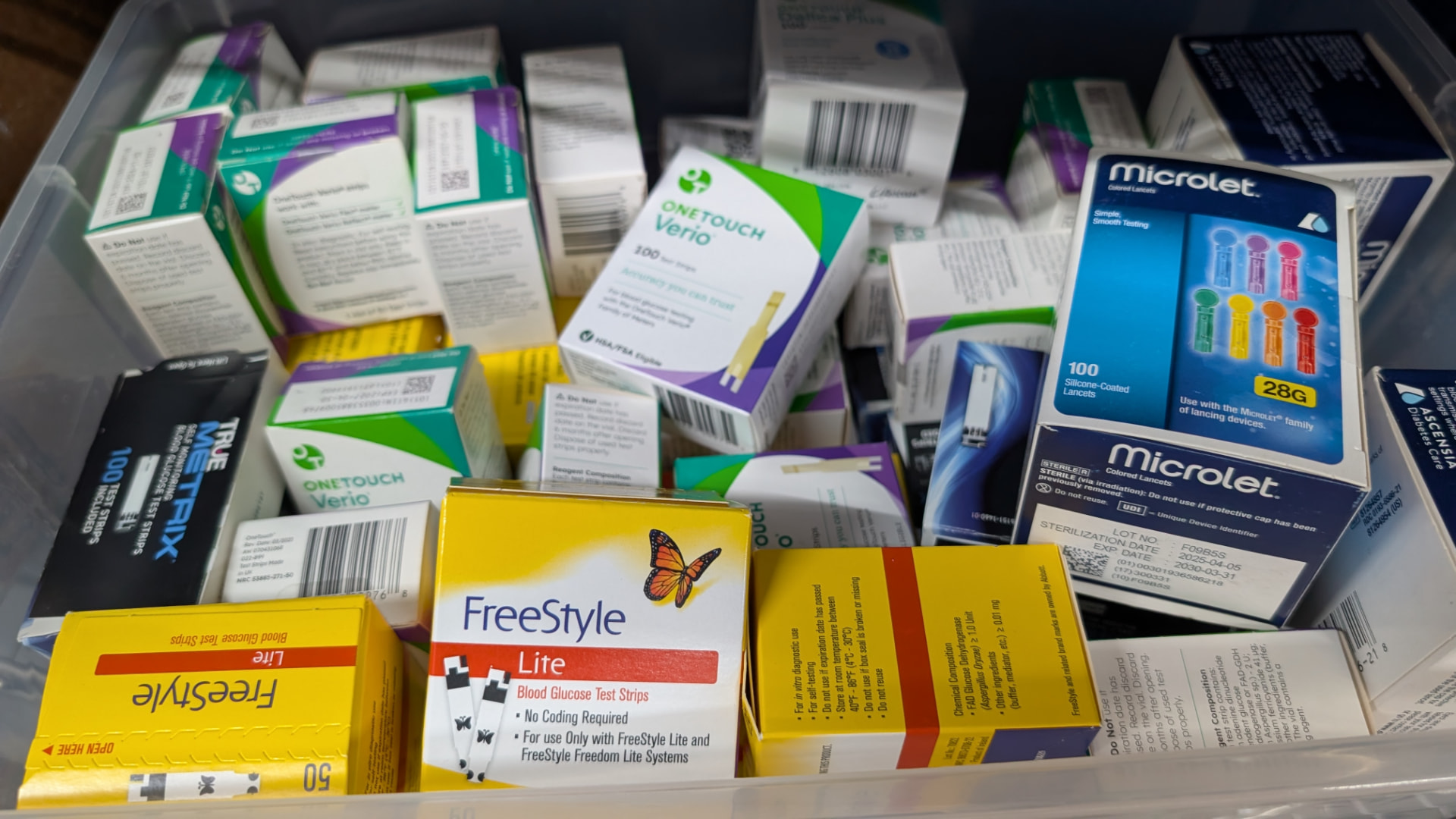
Every Floridian knows what July feels like here — the 95-degree afternoons, the humidity you can wear, the car interior that greets you like an oven. What fewer people realize is that the same heat working on you is working on your diabetic supplies, and they handle it worse than you do. From Miami to Pensacola, summer quietly damages insulin, strips, and sensors in ways that often show no visible sign. Here is your Florida summer survival guide — for your health and, if you have supplies to sell, for their value too.
The Numbers That Matter
The CDC warns that temperatures of just 80°F and above — especially combined with humidity, which in Florida means "combined with breathing" — can affect diabetes medications, testing supplies, and equipment. The specific thresholds are worth memorizing:
Insulin begins to denature around 98°F and loses potency well before that with prolonged exposure. Unopened, it belongs in the refrigerator at 36–46°F; once in use, it needs to stay below roughly 86°F.
Test strips are typically rated only to about 86°F, and humidity compounds the damage — remember from our expiration guide, the enzyme on every strip is a biological compound, and heat cooks it.
CGM sensors, transmitters, and receivers generally operate between about 50°F and 104°F. Beyond that, sensor chemistry and electronics both suffer.
Insulin pumps run on similar limits — the Tandem t:slim X2, for example, is rated between 41°F and 104°F — with the added problem that the insulin in the reservoir degrades even faster than the electronics.
Now consider this: a parked car in Florida summer can pass 130°F inside within an hour. Every one of those thresholds is obliterated before you finish your grocery run.
The Scariest Part: Damaged Supplies Look Fine
Here is what makes heat damage genuinely dangerous rather than merely expensive. Heat-damaged insulin usually looks completely normal. No color change, no cloudiness in most cases — you can inject degraded insulin with zero visual warning. The first clue is often unexplained high glucose that will not respond to your normal corrections.
The same is true of strips: a heat-cooked strip looks identical to a good one and simply reads wrong — falsely high or falsely low, unpredictably, exactly the danger we covered in our expiration guide. When your readings stop matching how you feel during a Florida summer, ask where your supplies have been living before you question your management.
The Florida Summer Rules
Never the car. Ever. Not the glovebox, not the trunk, not "just while I run in." This is the single rule that prevents most summer damage.
Beach and pool days: shade and insulation. Supplies ride in an insulated bag in the shade — never sitting in direct sun on a towel. For insulin on the go, use a cooler, but never place insulin directly against ice or a frozen gel pack; freezing destroys it as surely as heat does.
At home: cool, dry, dark. A bedroom closet shelf beats a bathroom (humidity), a garage (Florida garages are ovens), or a sunny windowsill. Keep strip vials capped tight — humidity sneaks in fast here.
Sweat management for wearables. Florida humidity loosens CGM and infusion-site adhesive. A cheap fix straight from the community: clean and fully dry the site, then apply a swipe of antiperspirant around (not under) the adhesive zone, or use overlay tapes made for sensors. Cover a pump with a towel if you are out in direct sun.
Hydrate for accuracy. Heat dehydration changes your interstitial fluid dynamics — the very fluid your CGM reads — which can skew readings. Water is a monitoring accuracy tool in July.
Traveling? Carry-on only. Cargo holds and checked luggage face temperature extremes. Supplies fly in the cabin with you.
If You Have Supplies to Sell: Heat Is a Value Killer Too
Everything above applies double if you are sitting on sealed supplies you plan to sell. In our daily operations, summer is when we see it most: boxes that spent June in a garage or a car trunk arriving with heat-warped shrink wrap, humidity-wrinkled packaging, or sun-faded labels. Even when the seal held, that packaging drops the box out of the top condition tier — and if there is reason to believe the contents cooked, it cannot be accepted at all, because the next user's safety depends on it.
The move is simple: the moment you know you have extras, store them cool, dry, and dark like the valuables they are — and honestly, sell them sooner rather than later. A box that sits through a Florida summer in the wrong spot loses value two ways at once: the calendar eats the expiration date while the heat eats the packaging. Beat both by shipping early.
If You Are Buying: Ask Where Supplies Have Lived
This is also exactly why buying from a stranger's car trunk or a random online listing is a summer gamble — you have no idea whether those strips spent August in a storage unit. Every item Express Diabetics sells was inspected for seal integrity, packaging condition, and expiration, and stored properly until it shipped. The verification exists precisely so that Florida heat is our problem to manage, not yours to inherit.
The Bottom Line
Florida summer is brutal on diabetic supplies: insulin fades by 98°F, strips by 86°F, and a parked car hits 130°F before lunch — all with no visible warning. Keep everything cool, dry, dark, and out of the car; protect your wearables from sweat; and if you are holding sealed extras, store them right and sell them before summer taxes their value. And since Florida summer means storm season too, see our hurricane preparedness guide for building your emergency supply kit.
Need affordable diabetic supplies for less? Shop verified inventory at expressdiabetics.com.
Have sealed extras? Get a free quote at expressdiabetics.com/sell.
Sources: CDC heat and diabetes medication guidance (80°F+ threshold) | Beyond Type 1 (insulin denaturing ~98°F, June 2026) | Allison Medical storage ranges (strips ~39-86°F, CGM 50-104°F, insulin 36-46°F/86°F) | AdaptHealth 2026 summer device guidance (t:slim X2 41-104°F, dehydration and CGM accuracy) | FDA emergency insulin guidance | Reviewed and updated July 26, 2026
Frequently asked
- Can heat damage diabetic supplies?
- Yes, significantly. The CDC warns that temperatures of 80°F and above, especially with humidity, can damage diabetes medications, test strips, meters, and devices. Insulin begins to denature around 98°F, test strips are typically rated only to about 86°F, and CGM components generally top out at 104°F.
- What happens if insulin gets too hot?
- Heat degrades insulin's potency — and damaged insulin usually looks completely normal. The first sign is often unexplained high glucose that doesn't respond to normal corrections. Insulin should stay refrigerated at 36-46°F until opened, then below about 86°F in use, and never in a hot car.
- Can I leave test strips or a CGM in the car in summer?
- No. A parked car in Florida summer can exceed 130°F within an hour — far beyond the roughly 86°F limit for test strips and 104°F limit for CGM components. Heat-exposed strips can read inaccurately with no visible sign of damage, and heat can degrade sensor chemistry and adhesive.
- Does heat affect the resale value of sealed diabetic supplies?
- Yes. Supplies stored in hot garages, cars, or humid rooms can be compromised even when sealed, and heat-warped or humidity-stained packaging drops boxes out of the top condition tier. Store sealed supplies cool, dry, and out of sunlight to protect both their safety and their value.
How Was This Written?
- Written By
- Jacob W. Metheney
- Editorial Standard
- Content is verified against real-time U.S. market pricing, strict manufacturing brand criteria, and transparent certified compliance guidelines.
- Date Last Reviewed
- June 2026