Why Are Diabetic Supplies So Expensive — and How to Pay Less in 2026
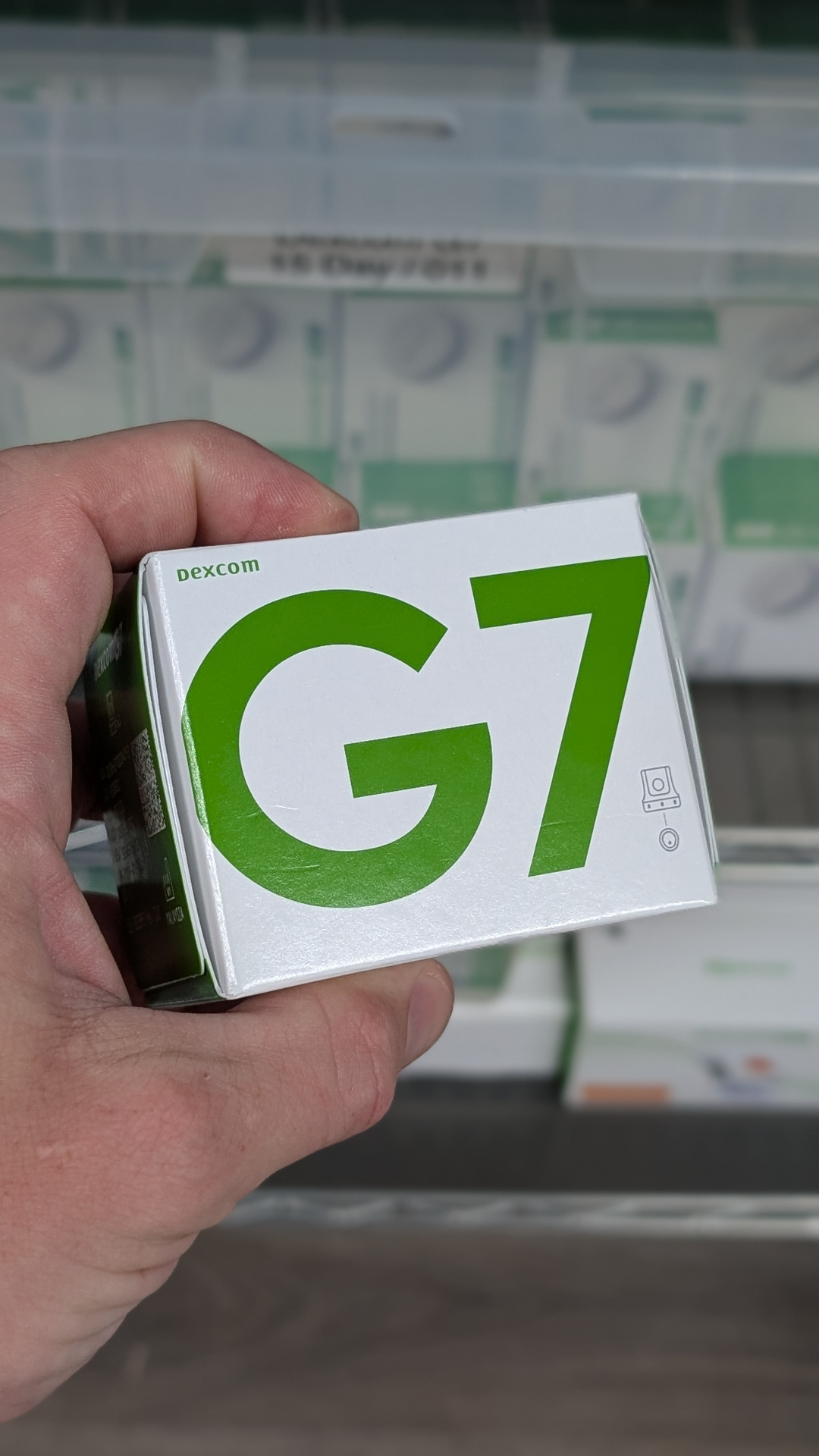
If you have ever stood at a pharmacy counter and felt your stomach drop at the price of a CGM or a box of test strips, you are not alone. Diabetic supplies are shockingly expensive — a continuous glucose monitor can run over $450 a month without insurance. But here is what most people do not know: that price has very little to do with what the supplies actually cost to make. Understanding why opens the door to paying far less for the exact same product.
Just How Expensive Are We Talking?
The 2026 numbers are sobering. Without insurance, a CGM system like Dexcom or FreeStyle Libre can cost $450 to over $500 per month — that is $1,200 to $3,600 or more per year for sensors alone. Test strips and lancets add another $20 to $50 a month. Insulin pump users pay still more for infusion sets and cartridges.
For someone uninsured, underinsured, or caught in a coverage gap, these are not small numbers. They are the difference between managing diabetes properly and not.
Why Are They So Expensive? It Is Not Manufacturing
Here is the part the system does not advertise. The high price you pay at retail is not driven by what it costs to produce a test strip or a sensor. It is driven by everything that happens between the factory and your hand.
The supply chain is layered with middlemen — wholesalers, distributors, and pharmacy-benefit negotiations — each adding markup. Insurance formularies and rebate deals between manufacturers and insurers further distort the price. And critically, when you are uninsured, you pay the full undiscounted list price that those layers have inflated, with none of the negotiated discounts an insurer would receive.
There is a striking fact buried in the research on this. According to the American Diabetes Association, diabetic supplies account for only about 1.1% of the total cost of diabetes in the United States — the overwhelming majority of cost is hospitalizations, complications, and lost productivity. Yet supplies are exactly where uninsured patients get squeezed hardest. You are paying a premium on the smallest slice of the pie.
The Real Human Cost: Rationing
When supplies cost this much, people make impossible choices. Diabetes researchers and clinicians have documented a painful reality: some patients take "breaks" from their CGM to conserve sensors, or stretch test strips by testing less often than they should. Stepping away from continuous monitoring to save money means missing the blood sugar swings that good management depends on catching.
Rationing diabetic supplies is not a minor inconvenience. It is a genuine health risk, and it happens because the price of staying monitored is simply too high for too many people.
How to Pay Far Less for the Same Supplies
Here is the good news, and the whole reason Express Diabetics exists. You do not have to pay inflated retail prices to get brand-name, FDA-accurate supplies.
Because test strips, CGM sensors, and lancets are over-the-counter products, they can be legally resold. Reputable companies acquire sealed, unexpired, brand-name supplies — from people who had legitimate extras — verify every item for seal integrity and expiration, and sell them to people who need them at well below retail prices.
The product is identical to what you would buy at the pharmacy. Same brand, same factory seal, same accuracy standards. The only thing different is the price — because it skips the inflated retail markup. For an uninsured patient, that difference can mean hundreds of dollars in savings every month, and the ability to monitor as often as they should instead of rationing.
Where These Supplies Come From
It is fair to ask: where do affordable, verified supplies actually come from? The answer is the other half of this same market. Every month, millions of dollars in sealed, unexpired diabetic supplies go unused — someone switched from test strips to a CGM, a doctor changed a treatment plan, insurance shipped more than was needed, or a family is handling a loved one's estate.
Those supplies, instead of expiring in a drawer, get sold to a company like Express Diabetics, verified, and passed along to someone who needs them affordably. The seller gets cash. The buyer gets access. The supplies get used instead of wasted. That is the cycle, and it works because both sides benefit.
The Bottom Line
Diabetic supplies are expensive because of markup, not manufacturing — and uninsured patients pay the steepest price of all. But the same sealed, brand-name supplies are available for far less through the secondary market, with no sacrifice in quality. Nobody should have to ration their health because of inflated retail pricing. (No insurance? Our uninsured diabetic's playbook maps every affordability path available in 2026.)
Need affordable supplies? Shop verified, brand-name inventory at expressdiabetics.com.
Have sealed supplies to sell? Get your free quote at expressdiabetics.com/sell.
Sources: GoodRx and Healthline 2026 CGM cost data ($450-$500+/month) | Passion Health 2026 supply cost breakdown | American Diabetes Association cost-of-diabetes research (supplies = ~1.1% of total) | Reviewed and updated June 18, 2026
Frequently asked
- Why are diabetic supplies so expensive?
- Most of the cost is not manufacturing — it is markup from middlemen in the supply chain, restrictive insurance coverage rules, and the way CGMs and test strips are priced at retail. Diabetic supplies make up only about 1.1% of total diabetes costs, yet uninsured patients pay full retail for them.
- How much do diabetic supplies cost without insurance in 2026?
- A CGM system can run $450 to over $500 per month without insurance. Test strips and lancets add $20 to $50 a month, and insulin pump infusion sets add more. Annual CGM costs alone can reach $1,200 to $3,600 or higher.
- How can I get diabetic supplies cheaper without insurance?
- Buying sealed, verified, brand-name supplies from a reputable reseller can cut costs substantially compared to pharmacy retail. The product is identical and FDA-accurate — only the price is lower. Manufacturer assistance programs and discount coupons can also help.
- Where do resold diabetic supplies come from?
- They come from people who had extra sealed, unexpired supplies — often from switching brands, changing treatment plans, or estate situations. Reputable companies verify every item before reselling it, so buyers get the same quality product at a lower price.
How Was This Written?
- Written By
- Jacob W. Metheney
- Editorial Standard
- Content is verified against real-time U.S. market pricing, strict manufacturing brand criteria, and transparent certified compliance guidelines.
- Date Last Reviewed
- June 2026