What to Do With a Loved One's Diabetic Supplies After They Pass
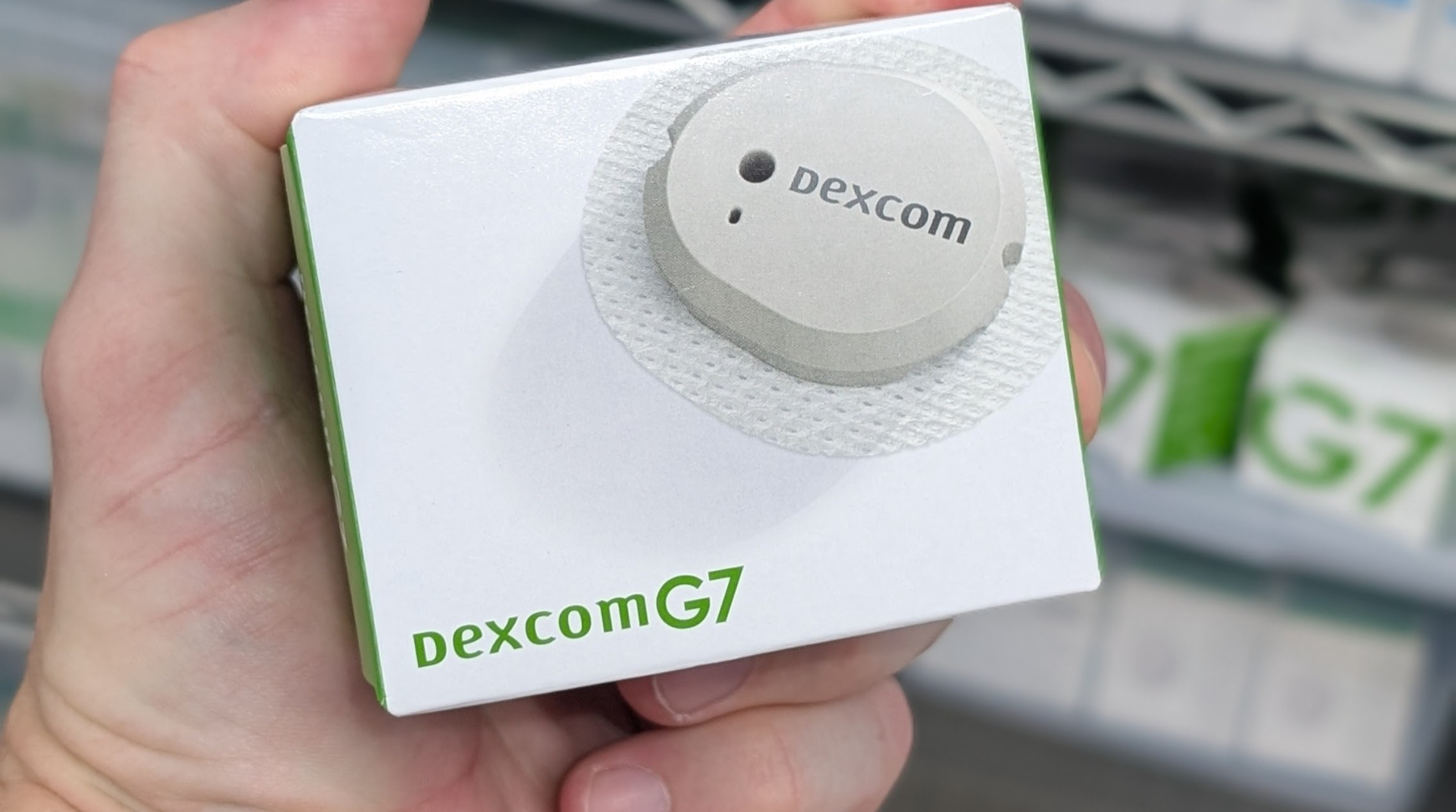
Losing someone you love is one of the hardest things a person goes through. In the midst of grief, families are often left to handle the practical details — including, for anyone who managed diabetes, the supplies left behind. If you have found boxes of test strips, CGM sensors, or other unopened diabetic supplies while sorting through a loved one's belongings, this gentle guide is here to help you handle them with care.
There is no rush, and there is no wrong feeling about any of this. When you are ready, here are your options.
First, Know That You Have Options
Unopened, unexpired diabetic supplies are valuable — and they do not have to go to waste. You have three respectful paths: sell them, donate them, or, for anything that is opened or expired, dispose of them safely. Many families find comfort in knowing their loved one's supplies went on to help someone else manage their own diabetes.
Are You Allowed to Sell or Donate Them?
Yes. When someone passes, their belongings become part of their estate. As the person handling that estate — whether you are the executor, the administrator, or simply the family member taking care of things — you generally have the authority to sell or donate personal property that was not specifically left to a named individual. Diabetic supplies fall into this category.
There is one important exception, and it is the same rule that applies to all diabetic supply sales: supplies that were paid for by Medicare, Medicaid, or another government program cannot be resold. Look for a red line on the box or a government program label. If you see one, that item is not eligible for sale, though it may still be eligible for donation depending on the organization.
Option 1: Sell the Supplies for Cash
If your loved one had sealed, unexpired, brand-name supplies, you can sell them to a reputable buyer for cash. For many families, this helps offset some of the very real costs that come with end-of-life arrangements, and it gives the supplies a meaningful second life.
A reputable buyer like Express Diabetics handles these situations with care and respect. The process is simple and can be done entirely from home: request a quote with the supply details, accept the offer, ship using a free prepaid label, and receive payment. You never have to leave the house or speak to anyone if you would rather not.
One important note about where you sell. You may be tempted to list the supplies on eBay, Craigslist, or Facebook Marketplace. Do not. eBay prohibits the sale of prescription medical devices, Craigslist bans medical devices entirely, and Facebook does not allow medical product listings. Beyond the rules, those platforms expose you to scams and strangers during an already difficult time. A dedicated, reputable diabetic supply buyer is the safe, legal, and respectful path.
Option 2: Donate the Supplies
If selling does not feel right, or if you would simply prefer to give the supplies to someone in need, donation is a beautiful option. Several established nonprofit organizations accept unopened, unexpired diabetic supplies and redistribute them to people who cannot otherwise afford them — including people in parts of the world where these supplies can mean the difference between life and death.
Organizations that accept diabetic supply donations include Insulin for Life, which redistributes supplies globally, and the Diabetes Foundation, which runs a supply repository program. Local clinics, health departments, and shelters in your area may also accept donations directly.
Whichever you choose, remember to remove all prescription labels first to protect your loved one's privacy.
Option 3: Safely Dispose of What Cannot Be Used
Anything that is opened, expired, or damaged cannot be sold or donated. These items should be disposed of according to your local guidelines. Lancets and needles are considered sharps and should go in an approved sharps container. Much of the cardboard and paper packaging can be recycled. Your local health department can guide you on proper disposal of any medical waste.
A Gentle Reminder About Labels
Whether you sell or donate, always remove or destroy the prescription (RX) label first. It carries your loved one's personal information. At Express Diabetics, we also safely remove and shred any remaining labels when supplies arrive, but handling this yourself first is the best protection for their privacy.
The Quiet Good in This
There is something quietly meaningful in knowing that supplies your loved one no longer needs can go on to help someone who is struggling to afford their own. A box of sensors that might have sat in a drawer instead becomes affordable care for an uninsured family. It is a small kindness carried forward in their memory.
Take your time. Handle it when you are ready. And whichever path you choose, know that you are doing something good.
When you are ready to sell, get a free quote with care and respect at expressdiabetics.com/sell.
And for families looking for affordable supplies, verified inventory is available at expressdiabetics.com.
Sources: ValueCGM estate-sale guidance, 2026 | Diabetes Foundation Supply Repository | Insulin for Life donation program | Robinson Advocacy Group on estate medical-device resale and marketplace bans | diaTribe donation guidance | Reviewed and updated June 18, 2026
Frequently asked
- Can I sell a deceased loved one's diabetic supplies?
- Yes. As the person handling the estate, you can sell their unopened, unexpired diabetic supplies, as long as they were not paid for by Medicare or Medicaid. The supplies are part of the estate and you have the authority to sell items not specifically bequeathed to someone.
- What can I do with leftover diabetic supplies after someone passes?
- You have three main options: sell sealed, unexpired supplies to a reputable buyer for cash, donate them to organizations like Insulin for Life or the Diabetes Foundation, or dispose of expired and opened items safely. Remove all prescription labels first.
- Do I need to remove the prescription label before selling or donating?
- Yes. Always remove or destroy the prescription (RX) label to protect your loved one's personal information before selling or donating. Reputable buyers also shred any remaining labels on arrival, but removing them first is best practice.
- Why can't I just sell the supplies on eBay or Facebook?
- Major marketplaces prohibit it. eBay bans prescription medical device sales, Craigslist bans medical devices entirely, and Facebook does not allow medical product listings. A reputable diabetic supply buyer is the safe, legal, and respectful path.
How Was This Written?
- Written By
- Jacob W. Metheney
- Editorial Standard
- Content is verified against real-time U.S. market pricing, strict manufacturing brand criteria, and transparent certified compliance guidelines.
- Date Last Reviewed
- June 2026