Is It Legal to Sell — or Buy — Diabetic Supplies? Everything You Need to Know
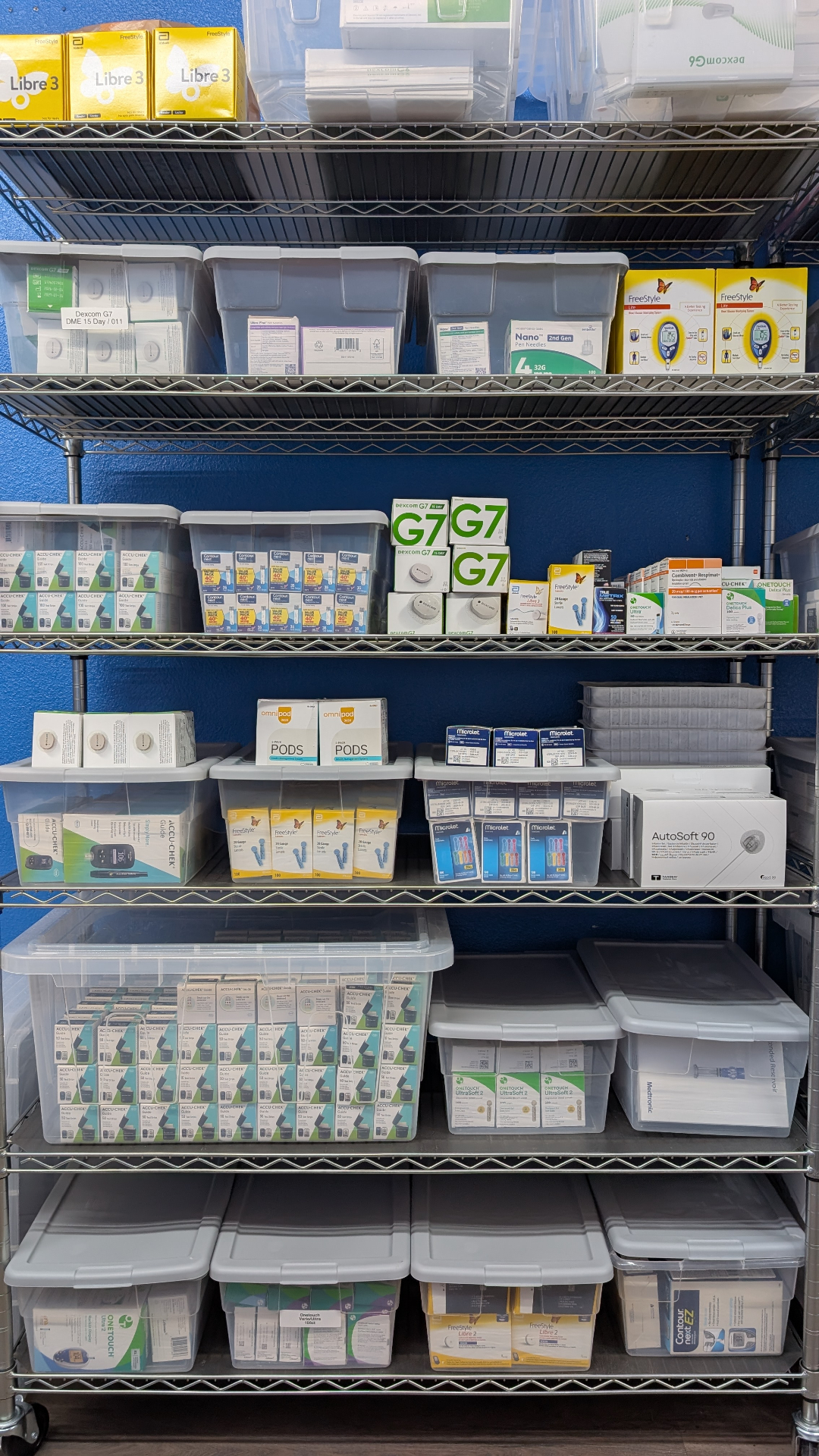
This is the most common question in the diabetic supply secondary market — and it comes from both directions. People with extra supplies want to know if they can legally sell them. People without insurance want to know if it is legal to buy supplies from somewhere other than a pharmacy. The short answer to both questions is yes. Here is exactly how the rules work in 2026, whether you are selling or buying.
The Legal Foundation: The First-Sale Doctrine
The reason this entire market exists legally comes down to a long-standing principle in U.S. law called the first-sale doctrine. Once you legally purchase a product, you have the right to resell it. This applies to books, electronics, cars — and over-the-counter medical supplies.
Diabetic test strips, CGM sensors, lancets, and insulin pump consumables are sold over the counter at any pharmacy. No prescription is required to buy them, which means no prescription is required to sell them or to buy them from a reseller. The FDA has confirmed that reselling unexpired diabetic test strips is legal, provided they were not fraudulently obtained through Medicare or Medicaid.
That last part is the single most important rule in this entire market — so let's cover it directly.
The One Big Exception: Government Program Supplies
Supplies obtained through Medicare, Medicaid, or any state assistance program cannot legally be resold. These supplies were paid for by taxpayer-funded programs as a benefit to a specific patient, and reselling them constitutes fraud under federal rules.
Here is how to identify them. Government-distributed supplies typically carry one or more of the following markings: the words "Medicare" or "Medicaid" printed on the box, the phrase "DME Beneficiaries" or "Government Payee," a "not for resale" stamp, or a red line printed on the packaging — a common industry marker for government-issued product.
In our daily operations at Express Diabetics, this is the single most common reason items in an otherwise perfect shipment get set aside. Sellers are rarely trying to do anything wrong — they simply did not know to check. So check every box before you ship. If you see any of these markings, pull that item out. Everything else in standard retail packaging is fair game.
For Sellers: What Makes Your Sale Legal
If you are selling, compliance comes down to four conditions.
The supplies must be factory sealed in original packaging. The supplies must not be expired. The supplies must not carry government program markings. And you must be the legitimate owner — supplies received through private insurance, purchased out of pocket, or inherited as part of an estate all qualify.
That is the complete list. You do not need a prescription, a license, medical records, or anyone's permission. Selling your own sealed, unexpired supplies is as legal as selling a sealed, unused appliance.
For Buyers: Is It Legal to Buy Resold Supplies?
Yes — and this side of the market matters just as much. More than 40 million Americans are living with diabetes according to the CDC's 2026 National Diabetes Statistics Report, and a significant portion are uninsured, underinsured, or stuck in a coverage gap.
The numbers explain why this market exists. At retail without insurance, CGM costs can run $300 to $600 per month. Test strips for a frequent tester can exceed $100 per month. For someone between jobs, between insurance plans, or in a Medicare deductible window, those prices put basic diabetes management out of reach.
Buying sealed, unexpired supplies from an established reseller at below-retail prices is completely legal. These are over-the-counter products. No prescription is required. No rules are broken. You are simply buying the same factory-sealed product at a price that works for your budget.
For Buyers: The Safety Question
Legality and safety are separate questions, and the safety one deserves an honest answer.
The FDA and the American Diabetes Association have raised legitimate concerns about the informal resale market — strips bought from strangers on social media or classified ads, where there is no way to verify storage conditions, authenticity, or handling. Those concerns are valid. Test strips stored in a hot car or a humid garage can give inaccurate readings even before their expiration date.
This is exactly why buying from an established company matters. At Express Diabetics, every product we sell was verified on intake — factory-sealed packaging, confirmed expiration dates, no damage, no government program markings — and stored properly until it ships to you. The standards that protect our buyers are the same standards we enforce on every shipment we purchase.
A sealed, verified, properly stored product from a transparent company is the same product you would buy at a pharmacy. The difference is the price.
The Bottom Line — Both Directions
If you have sealed, unexpired diabetic supplies you will not use, selling them is legal, simple, and puts real money in your pocket.
If you need diabetic supplies and insurance is not covering them, buying from an established reseller is legal, safe, and can cut your costs dramatically.
Express Diabetics is a Florida-based company that handles both sides of this market every day — buying sealed supplies from people who have extras, and selling verified supplies to people who need them at prices that make sense.
Have supplies to sell? Get your free quote at expressdiabetics.com/sell.
Need supplies without insurance? Shop verified inventory at expressdiabetics.com.
Sources: FDA guidance on diabetic test strip resale | CDC National Diabetes Statistics Report, January 2026 | American Diabetes Association | Reviewed and updated June 12, 2026
Frequently asked
- Is it legal to sell diabetic supplies?
- Yes. Under the first-sale doctrine, you can legally sell sealed, unexpired diabetic supplies that you own. The exception is supplies obtained through Medicare or Medicaid, which cannot be resold under federal rules.
- Is it legal to buy diabetic supplies from a reseller without a prescription?
- Yes. Test strips, CGM sensors, and lancets are sold over the counter and do not require a prescription to purchase. Buying from an established reseller is legal and is how many uninsured diabetics afford their supplies.
- How do I know if my supplies came from Medicare or Medicaid?
- Government-distributed supplies typically carry program labels, the words 'DME Beneficiaries' or 'Government Payee,' or a red line printed on the packaging. Check every box before selling. If you see these markings, set those items aside.
- Is it safe to buy resold diabetic supplies?
- It is safe when buying from an established company that enforces strict standards — factory-sealed packaging, verified expiration dates, and proper storage. The FDA's safety concerns apply mainly to informal person-to-person sales where storage and authenticity cannot be verified.
How Was This Written?
- Written By
- Jacob W. Metheney
- Editorial Standard
- Content is verified against real-time U.S. market pricing, strict manufacturing brand criteria, and transparent certified compliance guidelines.
- Date Last Reviewed
- June 2026